Eye Conditions and Treatments
Diabetic Retinopathy
Diabetic retinopathy can happen when the blood vessels in the retina become damaged due to diabetes.
Call us now at 905-721-1211 with any questions or to schedule an appointment.
What Is Diabetic Retinopathy?
Diabetic retinopathy is a diabetes-related eye condition that affects the retina, the light-sensitive tissue at the back of the eye responsible for sending visual signals to
the brain. When you have diabetes mellitus, your body cannot properly use or store glucose (sugar). Over time, elevated blood sugar levels can damage the small blood vessels within the retina.
The retina contains a complex network of nerves and blood vessels that detect light and transmit images to the brain. When these blood vessels become damaged due to diabetes, they may leak fluid or blood, leading to a condition known as diabetic retinopathy. Without proper monitoring and treatment, diabetic retinopathy can lead to vision impairment or vision loss.
At Ajax Ophthalmology Associates, early detection and regular eye examinations play a key role in protecting vision for patients living with diabetes.
Types and Stages of Diabetic Retinopathy
Diabetic retinopathy progresses through several stages:
Nonproliferative Diabetic Retinopathy (NPDR)
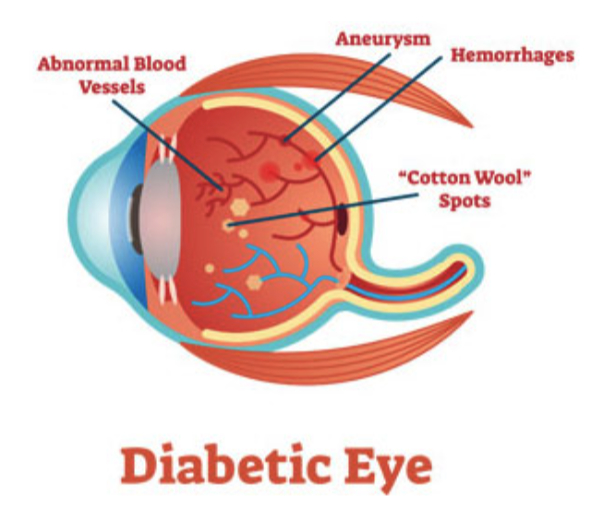
This is the earliest stage of diabetic retinopathy. In NPDR, the tiny blood vessels in the retina begin to
weaken and leak blood or fluid. This can cause swelling in the retinal tissue and lead to the formation of
small deposits called exudates. Many individuals with mild NPDR may not notice changes in their vision.
Macular Edema
Macular edema occurs when fluid leaks into the macula, the central portion of the retina responsible for sharp, detailed vision. This swelling or thickening of the macula is the most common cause of vision loss in people with diabetes. Vision changes can range from mild blurring to more significant impairment, although peripheral vision may remain unaffected.
Macular Ischemia
Macular ischemia develops when small retinal blood vessels (capillaries) close or become blocked. As a result, the macula does not receive adequate blood supply, causing blurred or reduced central vision.
Proliferative Diabetic Retinopathy (PDR)
In advanced stages of diabetic retinopathy, abnormal new blood vessels grow on the surface of the retina and extend into the vitreous cavity of the eye. These vessels are fragile and may rupture, causing bleeding that can obstruct vision. Scar tissue may also develop, potentially distorting the retina or leading to retinal detachment. These abnormal vessels develop when diabetes causes closure of normal blood vessels in the peripheral retina.
Causes of Diabetic Retinopathy
Diabetic retinopathy develops as a complication of diabetes mellitus. When blood sugar levels remain elevated for prolonged periods, the delicate blood vessels within the retina can become damaged.
The retina relies on a healthy network of blood vessels to deliver oxygen and nutrients. Damage to these vessels interferes with normal retinal function and may lead to swelling, bleeding, or abnormal blood vessel growth.
Risk Factors
Individuals with diabetes are at risk of developing diabetic retinopathy. The best protection against vision loss is early detection and proper diabetes management.
Risk reduction strategies include:
- Maintaining good control of blood glucose levels
- Managing blood pressure and cholesterol
- Attending regular eye examinations with an ophthalmologist
People with diabetes should have a comprehensive eye examination at least once per year. Pregnant women with diabetes should schedule an eye examination during the first trimester, as diabetic retinopathy may progress more rapidly during pregnancy.
Diagnosis
Diabetic retinopathy often develops without noticeable symptoms in its early stages. By the time vision problems appear, the disease may already be advanced.
Regular comprehensive eye examinations are essential for early detection.
During a medical eye examination, your ophthalmologist can examine the retina for signs of diabetic damage. If diabetic retinopathy is detected, additional diagnostic tests may be recommended, including:
- Fluorescein Angiography – evaluates blood flow in the retinal vessels and identifies areas of leakage or blockage
- Optical Coherence Tomography (OCT) – provides detailed cross-section images of the retina to detect swelling or structural changes
Following diagnosis, more frequent monitoring may be required to track disease progression.
Treatment Options
In the earliest stages of diabetic retinopathy, treatment may not be necessary unless macular edema is present. However, as the condition progresses, several treatment options are available to help preserve vision.
Macular Edema
Anti-VEGF Injections
Anti-vascular endothelial growth factor (anti-VEGF) medications are currently the first-line treatment for diabetic macular edema. These medications are injected into the eye to reduce fluid leakage from damaged blood vessels and improve vision.
Focal Laser Treatment
Focal laser therapy may be used in some cases to seal leaking blood vessels in the retina. However, this treatment is used less frequently today due to the effectiveness of anti-VEGF medications.
Macular Ischemia
Currently, there are no effective treatments available to restore vision once macular ischemia develops.
Proliferative Diabetic Retinopathy
Pan-Retinal Photocoagulation (Laser Treatment)
This laser procedure targets the peripheral retina to shrink abnormal blood vessels and reduce the risk of bleeding. Treatment is usually performed over two or more sessions. Although some peripheral or night vision may be affected, this procedure can significantly reduce the risk of severe vision loss.
Vitrectomy Surgery
If significant bleeding occurs inside the eye or if retinal detachment develops, a surgical procedure called a vitrectomy may be required. During this procedure, a retinal specialist removes blood and scar tissue from the eye and performs laser treatment to prevent further abnormal vessel growth.
Regular eye examinations are essential for individuals living with diabetes. Early detection and timely treatment can help protect vision and prevent complications associated with diabetic retinopathy. At Ajax Ophthalmology Associates, our ophthalmology team is dedicated to providing comprehensive diabetic eye care and advanced diagnostic and treatment options.